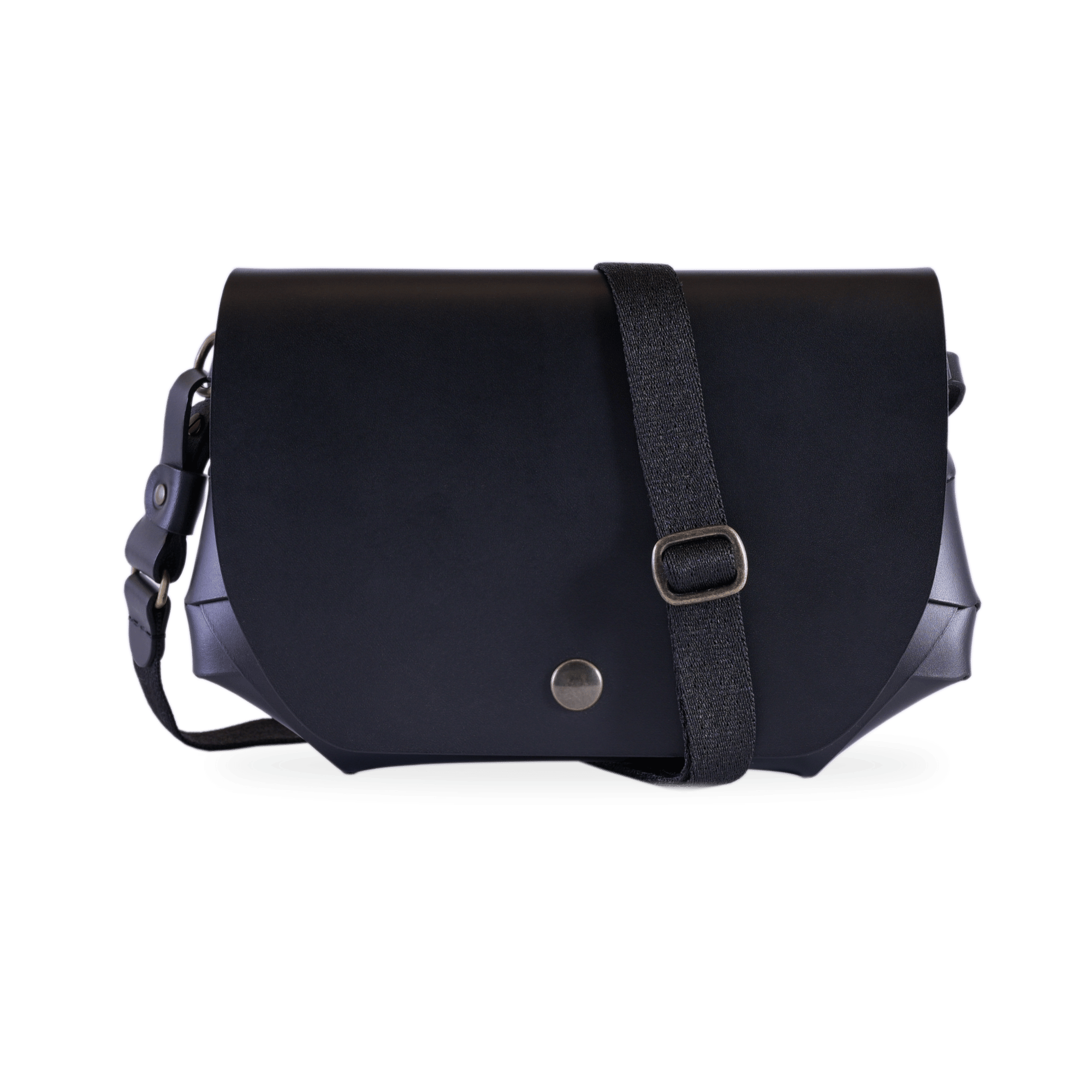



Leather can scratch sunglasses lenses in some situations, but the leather itself is not always the main problem.
In my experience, scratches are more likely to happen when the inside of a leather case is too rough, when metal hardware can touch the lenses, or when the sunglasses move around too much inside the case.
A well-made leather sunglasses case should protect your glasses. A poorly designed one can do the opposite.
Can Leather Directly Scratch Sunglasses?
Soft, high-quality leather is generally unlikely to scratch sunglasses lenses during normal use. However, rough leather can leave marks or scratches, especially when the lenses repeatedly rub against it.
The risk increases when pressure is applied. For example, sunglasses stored in a bag may be pressed against the inside of the case while the bag is being carried. If the leather surface is rough, that repeated contact may eventually damage the lenses.
The finish of the leather matters as much as the material itself. Smooth, soft leather is a much safer choice than stiff, coarse, or unfinished leather.
The Hardware May Be a Bigger Risk Than the Leather
In some cases, the hardware on a leather case is more likely to scratch the lenses than the leather.
Metal snaps, rivets, magnetic closures, zippers, and decorative fittings can all cause damage if they are positioned where the lenses can touch them.
Even a small piece of exposed metal can leave a noticeable scratch. This is especially likely when the sunglasses are loose inside the case and move around while being carried.
When I look at a leather sunglasses case, I pay close attention to where the hardware is located. A case may look attractive from the outside, but the inside design is what determines whether it protects the lenses properly.
Rough Leather Can Cause Problems
Not all leather has the same texture.
Some leather is soft and smooth, while other leather can feel coarse or stiff. Rough leather on the inside of a case may rub against the lenses whenever the sunglasses are inserted, removed, or moved during transport.
One brief contact may not cause visible damage. The greater concern is repeated friction over time.
This is why I recommend looking for a case made from quality leather that feels soft on the inside. The area that touches the lenses should not have a rough grain, hard edge, exposed seam, or unfinished surface.
Dirt and Grit Can Also Cause Scratches
Sometimes the leather gets blamed when the real cause is a small particle trapped inside the case.
Dust, sand, dirt, and other grit can collect on the leather. When a lens rubs against one of these particles, the particle may act like an abrasive and scratch the surface.
Even a very soft leather case can become risky when the inside is dirty.
It is therefore important to check and clean the inside of the case regularly. Shake out loose particles and wipe the interior carefully with a clean, soft cloth. Avoid rubbing the lenses against the inside if you can see or feel any dirt.
A Tight Fit Helps Protect the Lenses
A good sunglasses case should hold the glasses securely.
In my opinion, a tight fit is better than a loose case because it reduces movement. When sunglasses slide around inside a case, the lenses may repeatedly rub against the leather, stitching, edges, or hardware.
The case should be snug without putting excessive pressure on the frame or lenses. It should hold the sunglasses in place while still allowing them to be inserted and removed comfortably.
A case that is much larger than the sunglasses may offer less protection than it appears to provide.
Look for a Case With a Nose Bridge
A built-in nose bridge can help keep sunglasses in the correct position inside the case.
A glasses case with nose bridge supports the glasses and can reduce direct contact between the lenses and the inside surface. It may also prevent the sunglasses from shifting from side to side.
This is especially useful in structured leather cases. The support should be smooth, securely attached, and positioned correctly for the shape of the sunglasses.
A nose bridge is not essential in every design, but it is a useful feature when it helps keep the lenses away from potentially abrasive surfaces.
What to Look for in a Leather Sunglasses Case
When choosing a leather case, I recommend checking the inside just as carefully as the outside.
Look for the following features:
-
Soft, high-quality leather or a soft interior lining
-
A snug fit that limits movement
-
No exposed metal hardware near the lenses
-
Smooth seams and edges
-
No rough or unfinished leather surfaces
-
A nose bridge or another internal support where appropriate
-
A closure that cannot press against or touch the lenses
-
Enough structure to protect the sunglasses from pressure
Run your fingers carefully over the inside of the case. If anything feels sharp, rough, hard, or uneven, it could potentially come into contact with the lenses.
Do Different Lens Types Scratch More Easily?
I have not personally compared how different types of sunglasses lenses react to leather cases, so I would not claim that one particular lens material is always safer than another.
Different lenses may use different materials and surface coatings, and those coatings can affect how resistant they are to scratches. However, the safest approach is to treat every pair of sunglasses as if the lenses could be damaged.
Regardless of the lens type, it is sensible to avoid rough leather, exposed hardware, loose-fitting cases, and trapped dirt.
How to Use a Leather Case Without Scratching Your Sunglasses
A good case still needs to be used properly.
Before placing the sunglasses inside, make sure the lenses and the case are clean. Insert the glasses carefully rather than pushing them against the interior surface.
Try to position the sunglasses in the same direction each time, especially when the case includes a nose bridge or shaped support.
It is also a good idea to:
-
Keep the inside of the case free from dust and grit
-
Avoid placing loose objects inside the case
-
Check regularly for damaged lining or exposed hardware
-
Replace the case if the interior becomes rough
-
Avoid forcing oversized sunglasses into a case that is too small
-
Make sure the lenses are not resting against the closure
These simple habits can reduce repeated rubbing and unnecessary contact.
My Opinion on Leather Sunglasses Cases
I believe a quality leather sunglasses case can provide excellent protection, but the design must be practical.
The appearance of the leather is not enough. What matters most is the surface touching the glasses, the placement of the hardware, and how securely the case holds the frame.
I would choose a simple case with a soft interior over a more decorative case containing exposed metal parts. I would also prefer a snug design with internal support rather than a loose pouch that allows the glasses to move around.
The best leather case is one that keeps the lenses away from rough surfaces and hard components.
So, Does a Leather Case Scratch Sunglasses Lenses?
Leather can scratch sunglasses lenses, particularly when it is rough, when there is pressure and repeated rubbing, or when dirt is trapped inside the case.
However, metal hardware and poor case design may be an even greater risk.
To protect your sunglasses, choose a case with a soft interior, a snug fit, smooth construction, and no hardware that can touch the lenses. A built-in nose bridge can also help hold the sunglasses securely and reduce contact.
Quality soft leather inside the case is the most important feature to look for. A leather case should protect your sunglasses, not create another surface for the lenses to rub against.


